Sustainable Packaging Products in Adelaide, SA: What to Look For in 2026
Sustainable packaging choices are changing fast for Adelaide businesses in 2026, and selecting the right packaging products in Adelaide, SA, can mean the difference between staying compliant and facing avoidable penalties. This guide covers key sustainability certifications, the practical differences between biodegradable and recyclable materials, how to audit your packaging footprint, and the local regulatory context shaping decisions right now.
Why South Australia's Regulatory Context Changes Everything in 2026
Adelaide businesses are operating in one of Australia's most active regulatory environments for packaging. South Australia has long been a national leader on waste legislation, and 2026 has brought further changes that directly affect what you can and cannot use.
From 1 September 2025, expanded polystyrene food packaging and a range of single-use plastic items were prohibited from sale, supply, or distribution in SA. From 1 March 2026, any certified compostable food or beverage container must be individually labelled to indicate whether it is home compostable, industrially compostable, or both. Labelling on outer packaging alone is no longer sufficient.
Businesses using banned items can face significant fines, so reviewing your current packaging against the updated list is not optional. Green Industries SA and the Replace the Waste programme are useful local starting points for checking compliance.
Key Certifications to Look For on Sustainable Packaging Products
Knowing which marks matter in Australia saves time and money when evaluating packaging products:
APCO Alignment
The Australian Packaging Covenant Organisation (APCO) sets the national framework for sustainable packaging. APCO targets apply to all packaging placed on the Australian market. Larger businesses have formal reporting obligations, but smaller Adelaide operators are increasingly expected to source packaging that aligns with APCO's recyclability and material standards.
AS 4736 and AS 5810
AS 4736 covers industrial compostability, meaning the material breaks down under high-heat conditions in commercial composting facilities. AS 5810 covers home compostability. Both standards are required to display the Australian seedling logo. If your packaging makes a compostability claim but carries neither mark, that claim may be considered greenwashing.
Recyclability and Recycled Content
Look for packaging with a clearly labelled recyclability rating under Australia's PREP (Packaging Recyclability Evaluation Portal) tool, and consider the recycled content percentage. Packaging made from post-consumer recycled material reduces demand for virgin resources and supports sustainability reporting.
Biodegradable vs. Recyclable: What Is the Real Difference?
Recyclable packaging can be collected, processed, and remade into new products, keeping its value in the economy. Biodegradable packaging breaks down naturally over time, but the timeframe and conditions vary enormously. Without an Australian certification such as AS 4736 or AS 5810, a product labelled simply as "biodegradable" offers little meaningful assurance and is now commonly recognised as a potential greenwashing risk.
For Adelaide food businesses, certified compostable or clearly recyclable options represent the most defensible position under SA's phased plastic bans.
How to Audit Your Business Packaging Footprint
A packaging audit is the most effective way to identify items that may already fall under SA's prohibited or phase-out categories.
A simple audit involves these steps:
- List every packaging item you use, from primary product packaging to secondary and transit layers.
- Note the material type for each item.
- Check whether each item is certified recyclable, compostable, or neither.
- Identify which items are prohibited under SA legislation or scheduled for future phase-out.
- Prioritise replacement for the highest-volume, highest-risk items first.
Many businesses find that swapping two or three high-volume items can substantially reduce their landfill contribution without overhauling their entire supply chain.
Sustainable Material Types Worth Considering
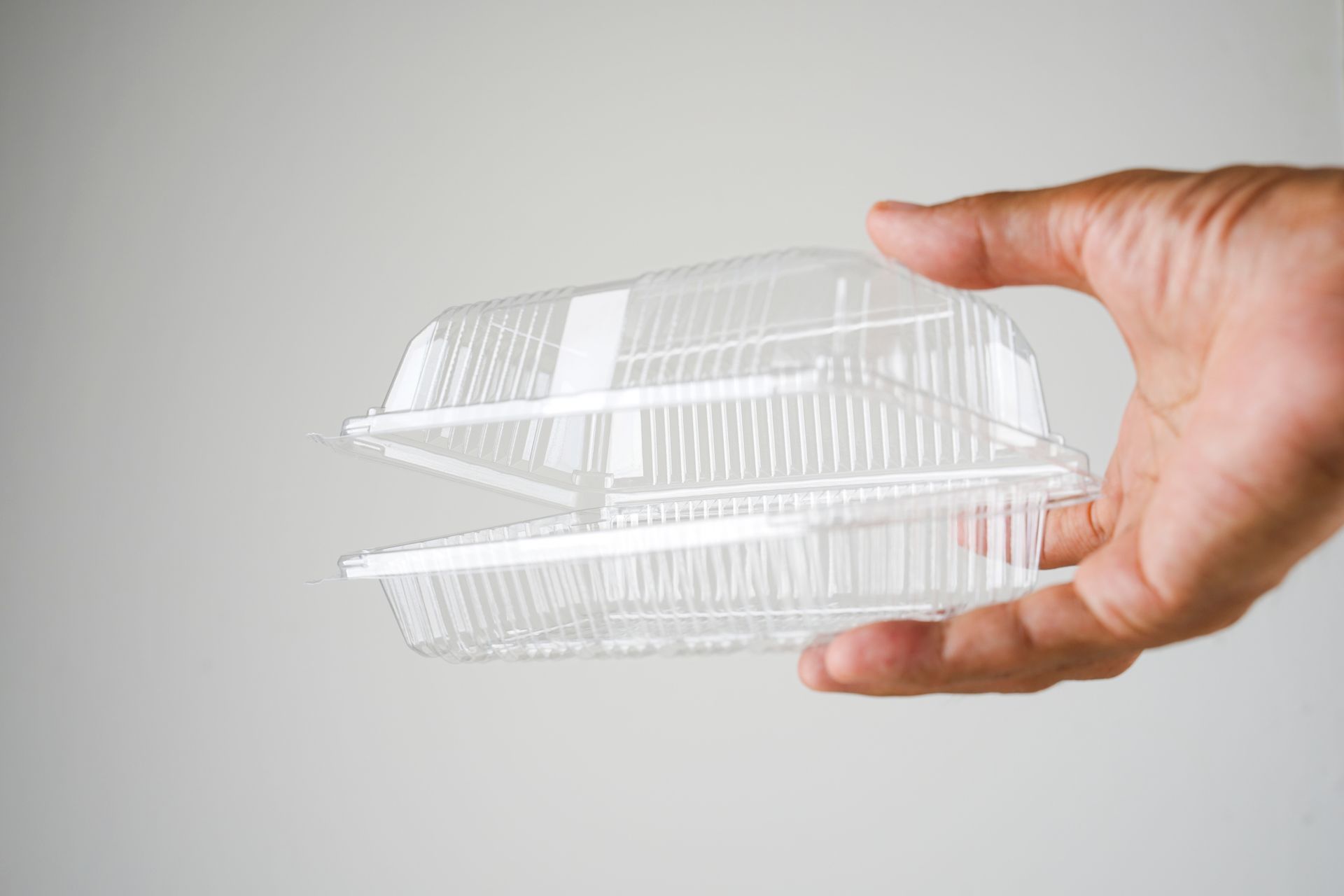
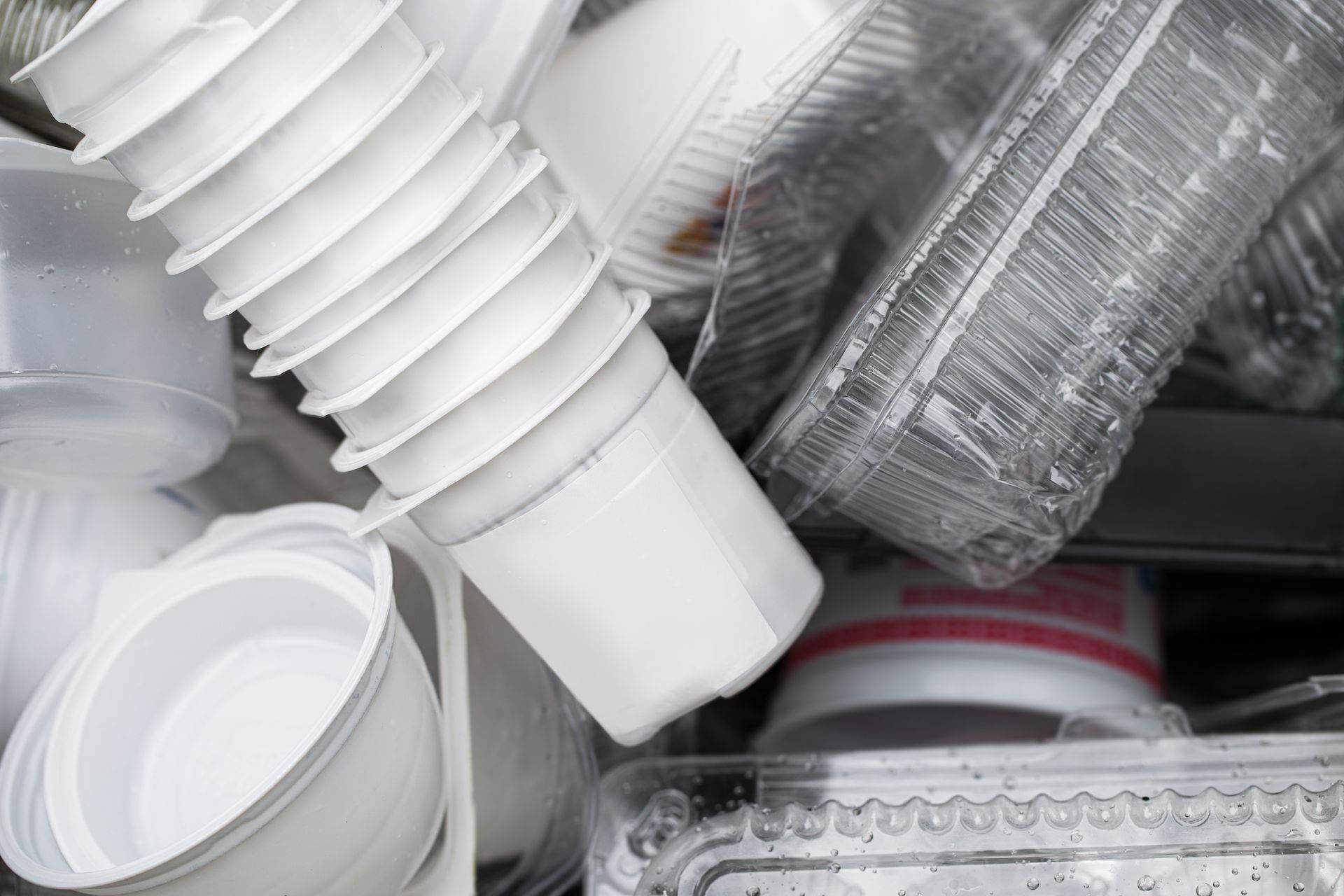
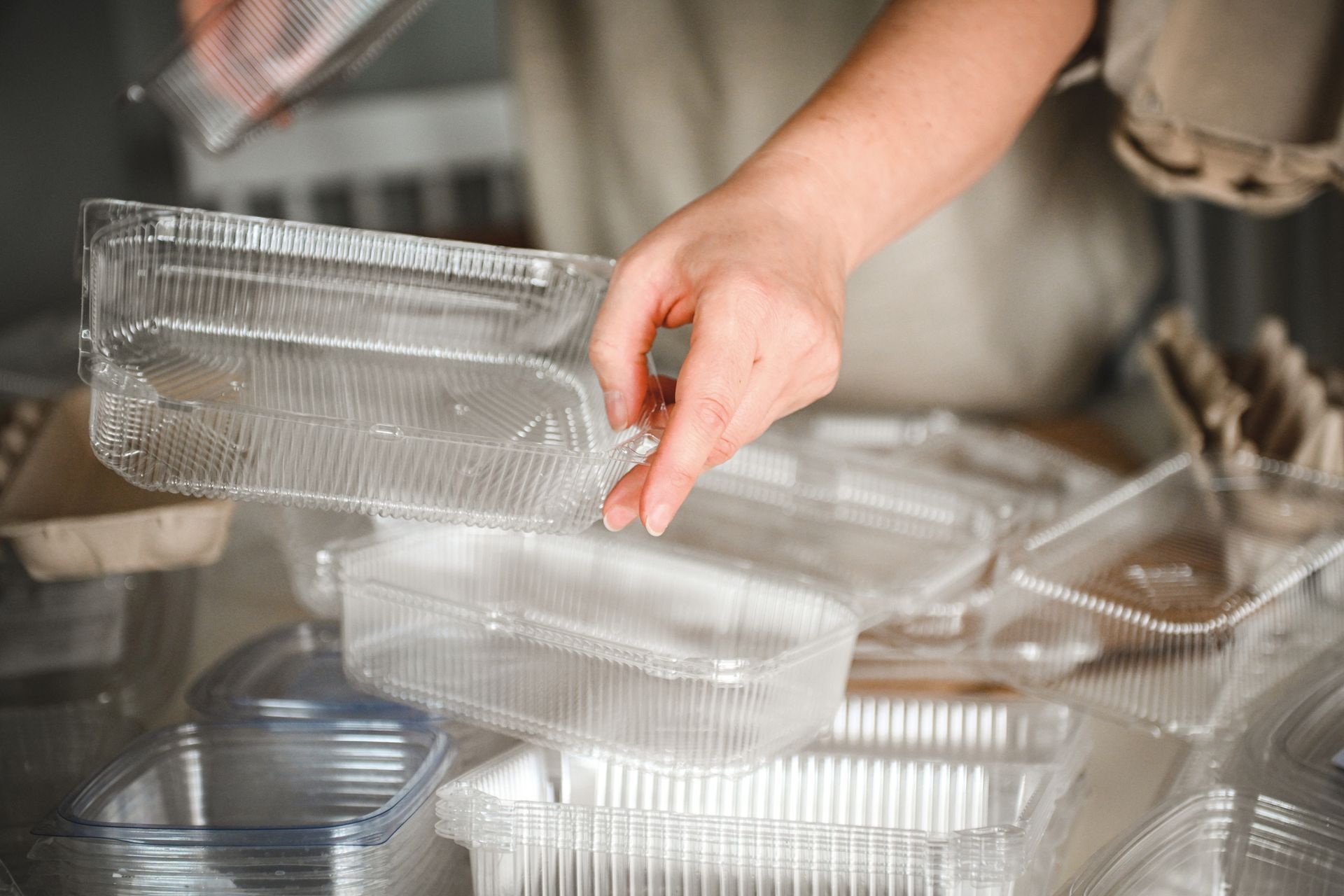
The range of packaging products has expanded, giving local operators more certified choices than in previous years. Options include certified compostable food trays for takeaway applications, recyclable PET and PP trays accepted in most kerbside systems, paperboard and cardboard with recycled fibre content, and bio-plastic options carrying a recognised Australian certification. Matching the right material to your product's shelf-life requirements, transport conditions, and end-of-life pathway is critical.
Frequently Asked Questions
What Is the Difference Between AS 4736 and AS 5810 Certifications?
AS 4736 is Australia's standard for industrial compostability. AS 5810 covers home compostability. Both are required to display the Australian seedling logo, and a product must reference the specific standard it was tested against.
Does South Australia Have Additional Packaging Rules That Other States Don't?
Yes. Since 1 September 2025, expanded polystyrene food packaging and certain attached plastic cutlery are banned in SA. From 1 March 2026, compostable packaging must be individually labelled with its compostability type, a requirement that goes further than most other states. Verify that packaging products meet SA's specific labelling obligations before purchase.
What Does APCO Membership Mean for a Business?
APCO membership means a business has formally committed to reporting on its packaging use and working toward Australia's National Packaging Targets, which include making all packaging reusable, recyclable, or compostable.
How Do I Know if My Packaging Supplier Is Genuinely Sustainable?
Look for verifiable certifications rather than marketing claims alone. Suppliers should provide documentation showing compliance with AS 4736, AS 5810, or PREP recyclability ratings. Suppliers who are signatories of the National Packaging Covenant have made a formal commitment to sustainable outcomes.
Take the Next Step With Packaging Products
Getting your sustainable packaging right in 2026 takes the right products, the right certifications, and a supplier who understands both the national framework and SA's specific requirements.
Formrite Group is a signatory of the National Packaging Covenant and offers biodegradable materials, recyclable food trays, and custom-designed solutions matched to your compliance needs.
To discuss your requirements,
contact the team today or explore the
biodegradable materials range. Also, find
Formrite Group on Google to read reviews and get directions.